
Durability under installation stress
Abrasion, cut-through, crush, flex, bend, and termination tests can quantify resistance to the damage modes installers and maintainers encounter.
Qualification establishes minimum compliance. Lectromec builds independent, numerical test programs that make superior aerospace component performance visible, credible, and useful to the people choosing what to buy.
Standardized parts are great. They provide a common stock number across multiple manufacturers, eases sourcing, offer price competition, and reduces risk. However, it does not mean every qualified product delivers the same performance or consistency.
In published Lectromec research on commercially procured QPL wire, all tested products met the applicable minimum requirements, yet they did not perform similarly in several key tests. In some tests, the performance differences ranged from roughly two times to nearly an order of magnitude.
Selling only the qualification can undersell the engineering, process control, and material choices built into a premium component.
Lectromec can help define the decision, map the relevant standards and service conditions, select the tests most likely to expose meaningful performance, execute the work, and package the result for technical review.
Discuss the claim you need to proveStart with the customer decision: longer life, greater damage tolerance, lower loss, less weight, tighter consistency, or another meaningful advantage.
Prioritize methods tied to real installation, operating, and failure risks instead of running every available method with equal weight.
Where a standard ends at pass/fail, adapt the method carefully to capture thresholds, cycles, force, loss, margin, or performance change.
Test the products, configurations, samples, and lots authorized for your program under documented and repeatable conditions.
Deliver traceable methods, results, variability, limitations, and engineering context in a report customers can take seriously.
The program can support wire, cable, connectors, contacts, terminations, protection systems, harness hardware, high-voltage components, high-speed data products, fiber, and harsh-environment assemblies. Lectromec's experience working with aircraft OEMs will help focus on those key parameters that can make the difference.
Abrasion, cut-through, crush, flex, bend, and termination tests can quantify resistance to the damage modes installers and maintainers encounter.
Thermal, fluid, humidity, vibration, and combined-environment exposures can show how much performance remains after the product has been stressed.
Resistance, shielding, attenuation, insertion loss, dielectric, and partial-discharge measurements can reveal margin that a pass/fail statement leaves hidden.
Multiple samples and lots make it possible to report averages, spread, repeatability, and the manufacturing consistency buyers expect from a premium product.
Controlled comparisons can document whether reduced weight, diameter, or package size preserves the performance that matters in the installed system.
High temperature, low pressure, high voltage, fluids, contamination, and mechanical loading can be combined around the intended use environment.
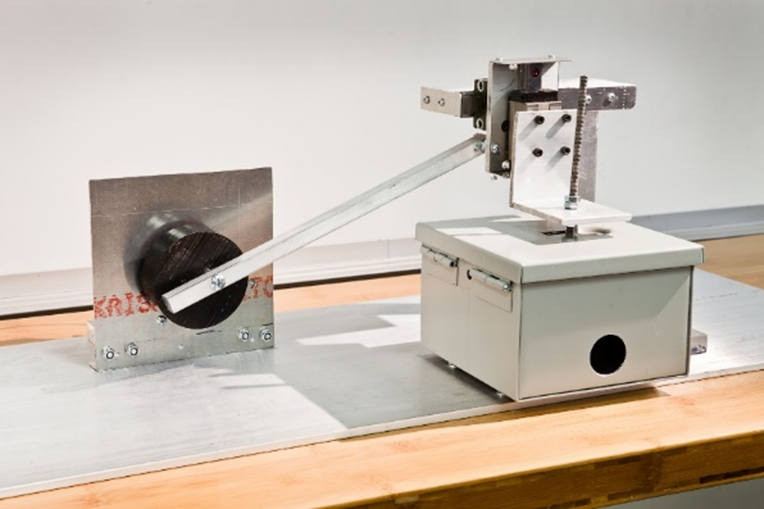
Lectromec does not use another client's test results to complete your comparison, fill a benchmark, or support your claim. Any samples, competing products, configurations, and comparison points must be supplied, selected, or authorized for your program, and the resulting data is generated within that program.
Data generated for other clients is strictly confidential and is never disclosed or repurposed.
We can help identify the critical tests, define the comparison, and build a practical evidence plan.