
Does the mixing of different aircraft wire types create problems?
Modifications or additions to an aircraft wire will typically require (at least in some locations) the addition of new wire constructions to existing bundles. The concern that some have had is that, by mixing the different wire insulation constructions, it can create increased chaffing between wires, which can lead to premature failure of the wire insulations. As a result, in 2005, the FAA initiated a research program to investigate whether this concern is valid.
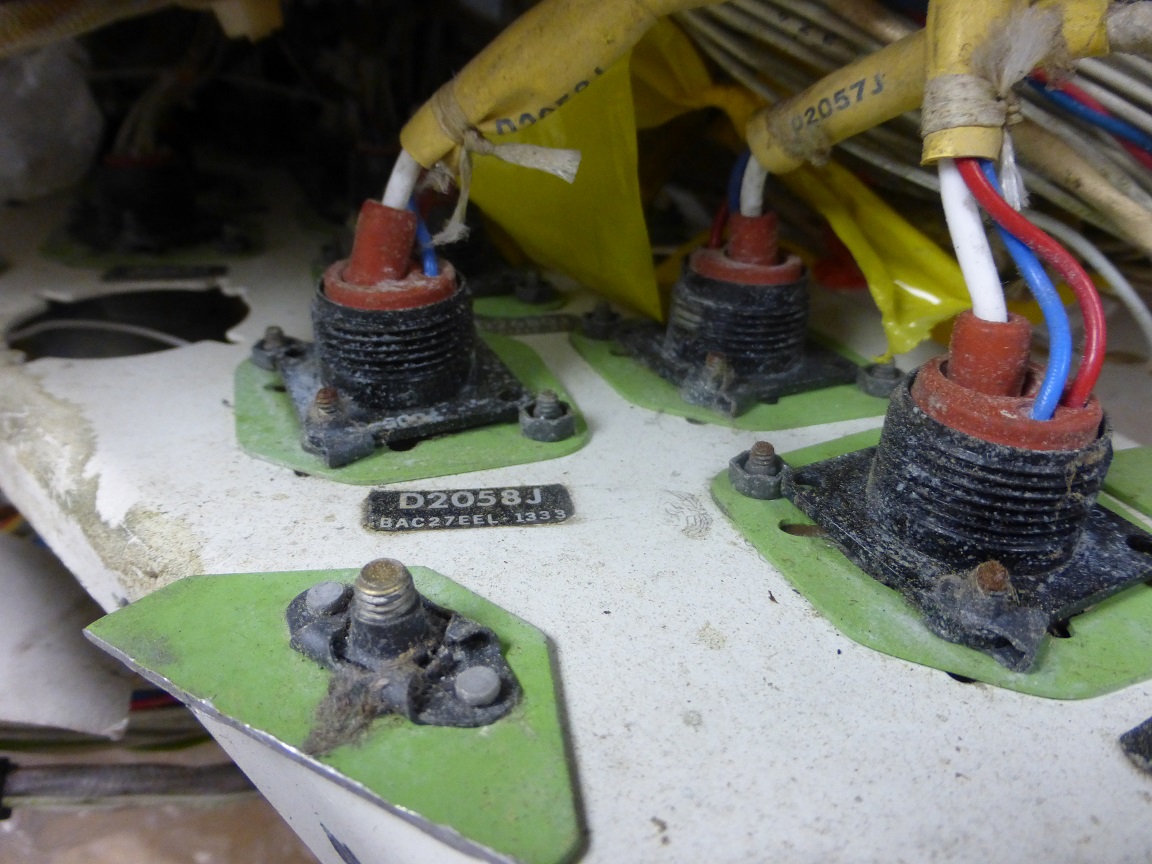
The FAA research program found that no recommendations in any of the industry standard documents or military wire installation documents existed. If anything, most of the documents simply focused on ensuring the wires were rated to operate in the same environmental conditions. Further examination of maintenance logs indicated no reports of such events occurring.
If you're interested in learning more about wire stress, you can read Lectromec's Assessment of Mechanical Stress on Wire Insulation article.
During the subsequent testing process, ten different wire types were investigated in mixed bundles. The tests consisted of mixed wire bundles subjected to 500 hours of vibration exposure. Post-test examination was not able to identify any significant insulation degradation, regardless of the insulation bundle mixture. More damage was caused by wire clamps than by mixed bundles.
It is important to note that these tests were performed at room temperature and not at an elevated temperature that could be expected on an operational aircraft. It is possible that a higher temperature could soften the insulation making it more susceptible to damage.